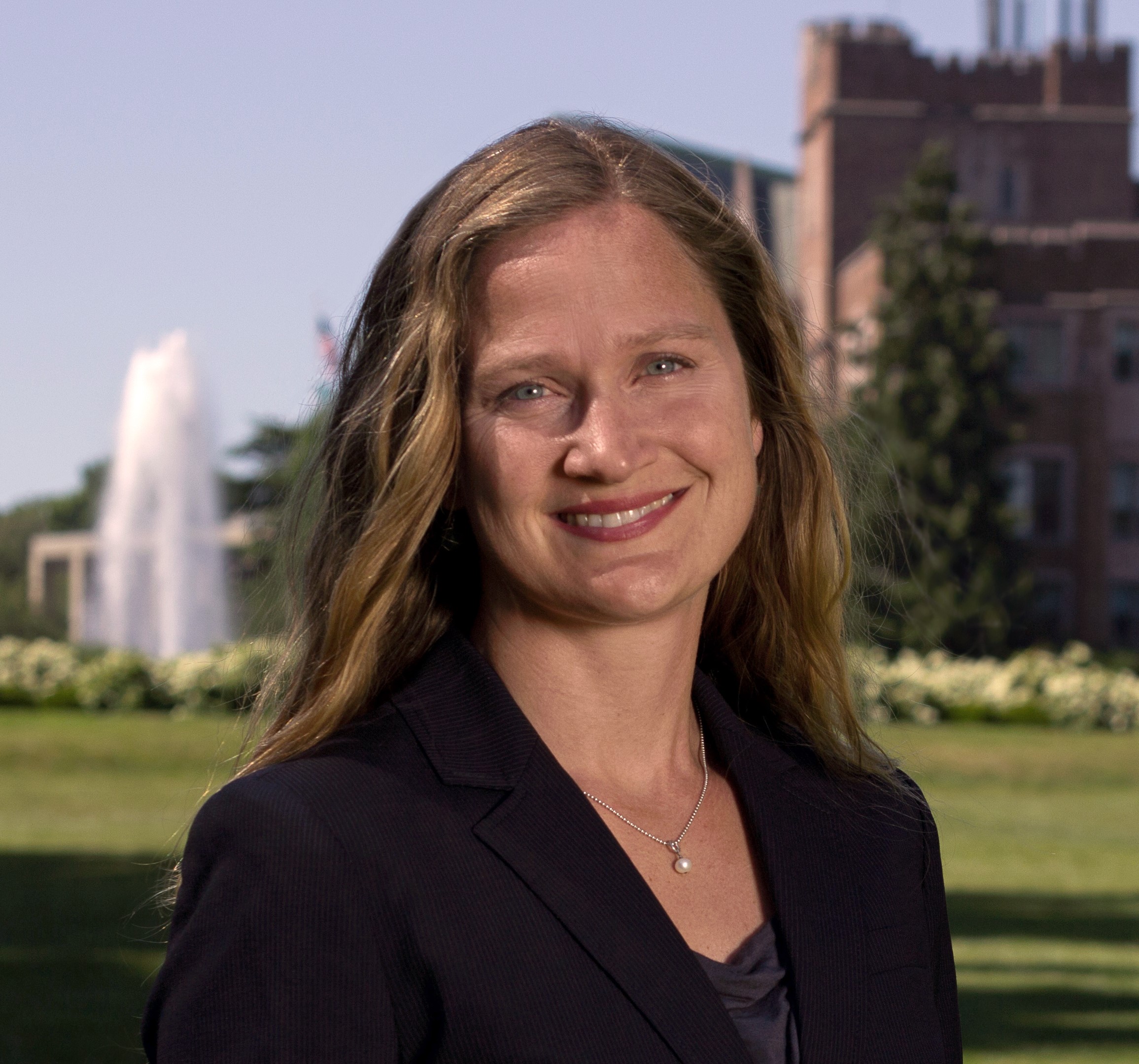
Professor University of Washington Seattle, Washington, United States
Presentation Summary: This session will explore strategies for healthy aging in women through the lens of the landmark Women’s Health Initiative (WHI), one of the most comprehensive and enduring research studies in women’s health. Enrolling over 161,000 postmenopausal women in the 1990s and now spanning more than three decades of follow-up, the WHI has generated over 2,500 publications and continues to serve as a powerful resource for understanding longevity and healthspan.
The presentation will highlight how WHI findings have shaped—and at times been misinterpreted within—clinical practice, particularly in relation to hormone therapy, dietary patterns, and chronic disease prevention. It will revisit the WHI hormone trials that led to major shifts in menopausal care and public perception, as well as evolving reinterpretations of their findings in light of more recent evidence and updated regulatory guidance.
In addition, the session will examine WHI research on lifestyle medicine factors—including physical activity, nutrition, social connection, stress reduction, and avoidance of risky substances—and their associations with longevity and healthy aging. Special emphasis will be placed on emerging analyses of “Blue Zone” lifestyle characteristics within the WHI cohort and their relationship to both lifespan and healthspan, including work linking purpose, movement, and social engagement to improved outcomes.
Finally, the presentation will underscore the WHI’s lasting impact on women’s health policy, clinical practice, and economic outcomes, positioning it as a foundational evidence base for advancing lifestyle medicine in women’s health care.
Learning Objectives:
Understand how lifestyle medicine pillars—physical activity, nutrition, social connection, stress reduction, and risky substance avoidance—shape women’s longevity and healthspan.
Evaluate how cutting edge research from the WHI provides evidence of the impact of lifestyle medicine pillars to reduce chronic conditions and improve longevity.
Describe how the WHI’s 30 year legacy can inform evidence based lifestyle medicine practice and healthy aging strategies for women.
Translate the evidence on longevity and healthy aging emanating from the Women’s Health Initiative into practical, patient centered strategies that healthcare providers can apply in clinical encounters.