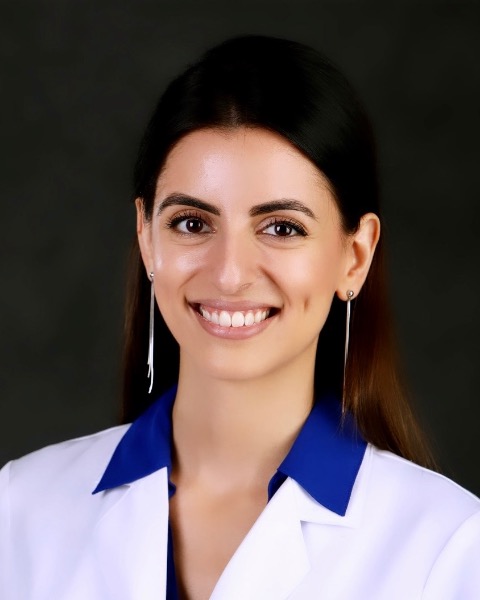
Family Medicine Core Faculty + Associate Director of Osteopathic Education UIW TIGMER CBFM San Antonio, Texas, United States
Presentation Summary: As chronic metabolic diseases such as diabetes, coronary artery disease, and chronic kidney disease continue to rise, lifestyle medicine must evolve beyond episodic, clinic-based care. This session explores how remote patient monitoring (RPM) is transforming chronic disease management by extending care into patients’ daily lives through real-time data and continuous engagement.
Focusing on glucose monitoring, presenters will highlight how Bluetooth- and cellular-enabled glucometers integrated with smartphone apps create dynamic feedback loops between patients and care teams. This approach enables proactive coaching, timely adjustments to lifestyle prescriptions, and stronger alignment between daily behaviors and clinical goals.
Drawing from real-world implementation, the session will share outcomes from an RPM program that combined continuous glucose monitoring with structured lifestyle counseling. Results demonstrate improvements in glycemic control, medication adherence, patient engagement, and reduced unplanned care through early intervention and data-driven decision-making. Case examples will illustrate how RPM enhances accountability, supports shared decision-making, and bridges the gap between recommendations and sustained behavior change.
Attendees will also gain practical insights into successful implementation, including workflow design, team-based care, patient education, and the use of asynchronous communication. Key challenges—such as data overload, digital literacy, and integration into clinical practice—will be addressed alongside emerging reimbursement models that support sustainability.
This session positions RPM as a scalable, patient-centered tool to operationalize lifestyle medicine, leveraging technology to deliver personalized, continuous care that improves outcomes and reduces total cost of care.
Learning Objectives:
Illustrate promising, real-world strategies by which clinics have implemented RPM for glucose monitoring to enhance lifestyle medicine delivery.
Examine barriers to RPM program implementation in community clinic settings.
Recognize opportunities to implement lifestyle medicine interventions and practical behavior changes.