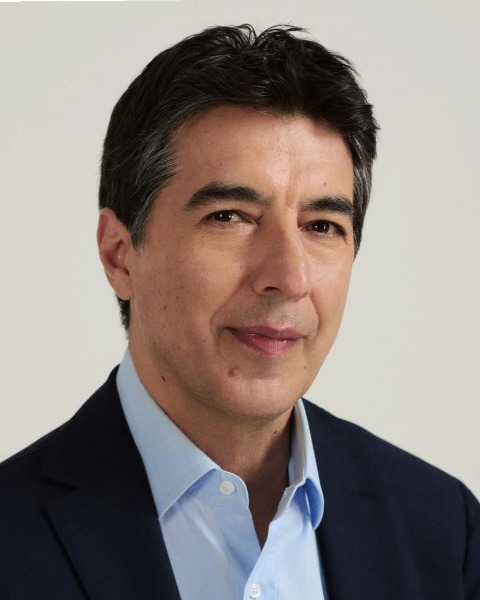
Professor of Gerontology and Biological Science and Director of the Longevity Institution at the School of Gerontology University of Southern California Playa Del Rey, California, United States
This session will examine the emerging role of fasting-mimicking diet (FMD) cycles as a clinically applicable strategy for promoting metabolic health, reducing disease risk, and supporting treatment across a range of chronic conditions. Drawing on decades research, Dr. Valter Longo will explore the biological mechanisms underlying FMD, including its effects on aging pathways, cellular regeneration, metabolic regulation, and immune modulation. Participants will review pre-clinical and clinical evidence on the use of FMD cycles in conditions such as diabetes, prediabetes, obesity, autoimmune diseases, and cancer, with an emphasis on clinical translation, safety considerations, and patient selection. The session will also address the role of fasting interventions in reducing disease risk factors and influencing markers of biological aging. Attendees will leave with a deeper understanding of how to thoughtfully integrate fasting-mimicking approaches into patient-centered care plans.
Learning Objectives:
Explain the biological mechanisms linking nutrient-sensing pathways, caloric restriction, and aging processes, including their relevance to chronic disease development.
Analyze the current evidence on fasting-mimicking diet (FMD) cycles in the prevention and treatment of metabolic, autoimmune, and oncologic conditions.
Evaluate the potential benefits, risks, and clinical considerations associated with incorporating FMD cycles into patient care, including appropriate patient selection and contraindications.
Apply evidence-informed FMD strategies to improve cardiometabolic health and reduce disease risk.