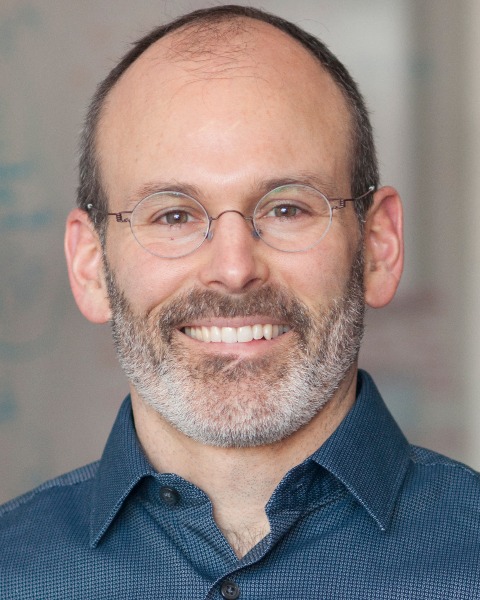
Associate Professor Brown University School of Medicine & School of Public Health Worcester, Massachusetts, United States
The six pillars of lifestyle medicine rest on some of the strongest evidence in all of medicine. That was never the problem. The problem is that knowing what to do and doing it are governed by different parts of the brain, and decades of telling patients to eat well, move more, and stress less have done little to close that gap. Drawing on more than twenty years of habit change research, fMRI work mapping how anxiety and craving drive behavior, and a digital therapeutic program tested in randomized trials, this keynote lays out the reward-based learning machinery that keeps patients stuck and shows how to work with it instead of against it. You will leave with a mechanistic account of why willpower-based approaches fail, how anxiety fuels the same habits that undermine every pillar, and a practical framework for helping patients access, use, and optimize lifestyle change that lasts.
Learning Objectives:
Explain the reward-based learning mechanisms that drive habit formation.
Describe how anxiety and craving reinforce the habit loops that derail nutrition, activity, sleep, stress management, social connection, and substance-avoidance goals.
Apply a mechanism-based behavior change framework to help patients adopt and sustain the six pillars of lifestyle medicine.